
India, Oct. 21 --
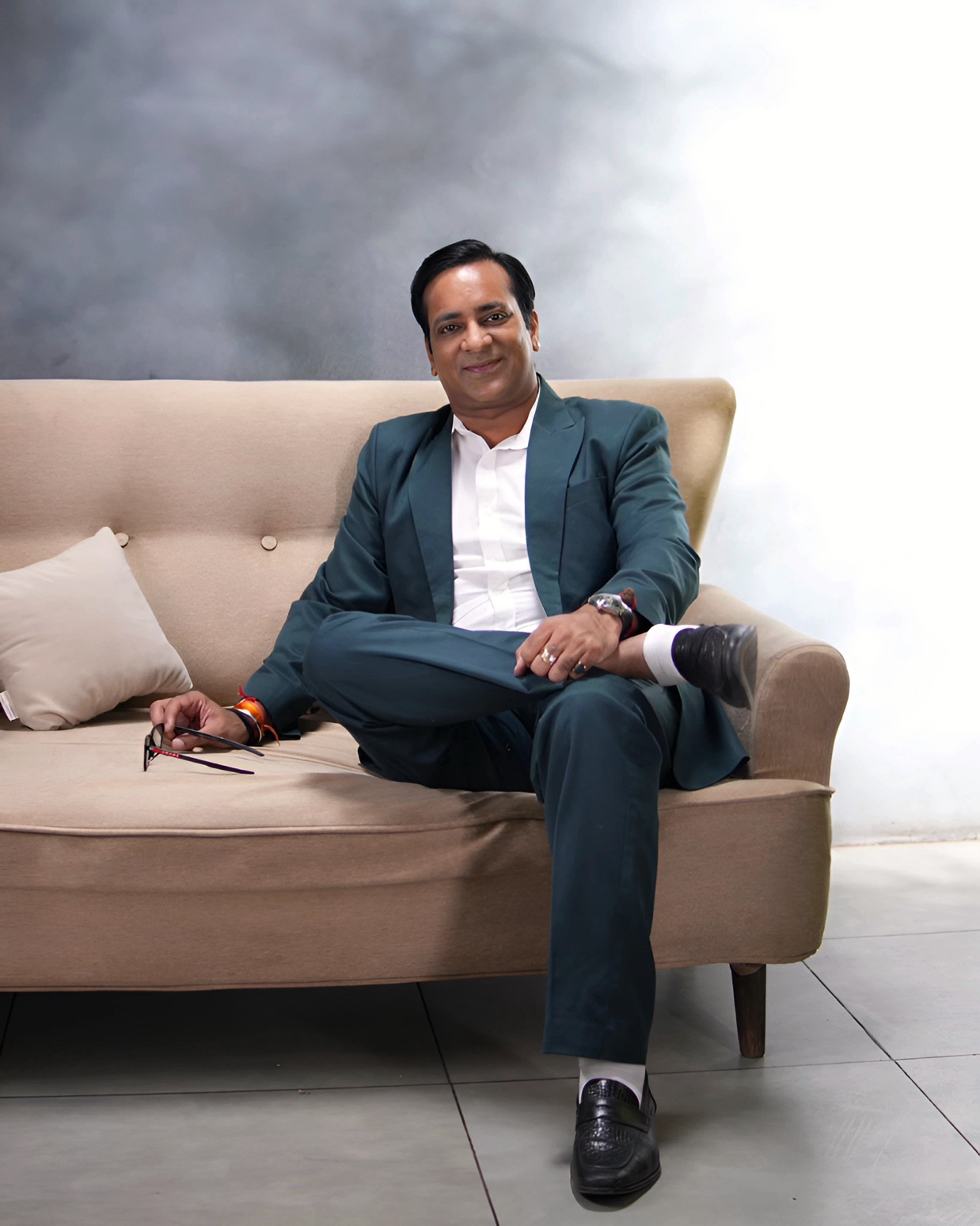
By Anish Maheshwari, MD & CEO,
Vsure Investment Affairs
Zerodha, India's largest equity broker with 1.6 crore customers, and Rs.6 lakh crore of equity investments is venturing into investment banking. On 27 April, Zerodha Corporate Advisors filed for Category I merchant banking licence. Though it may seem like a logical expansion for one of India's best-known broking platforms, it points to a bigger shift in India's startup and SME ecosystem.
Investment banking is moving closer to founders because capital raising itself has changed. Startups no longer need only access to investors. They need readiness for capital.
For founders, that is the priority before they get ready to take on capital.
Are India's Startups Ready to take on Capital? India has no shortage of entrepreneurial energy. The country had more than 2.23 lakh recognised startups by the close of FY 2025-26 and over 23.36 lakh direct jobs generated by these enterprises.Yet scale in numbers does not automatically translate into investable maturity.
Many young businesses have ambition, customer traction and revenue momentum. What they often lack is financial visibility, governance discipline, a clear use of funds, valuation logic and the ability to withstand deeper scrutiny. In the service industry your services will speak louder than your presence.
This is where investment banking is becoming more relevant. Not as a last-mile IPO service, but as a discipline that should begin much earlier in the enterprise-building journey.
Work before the the Pitch DeckFor years, many entrepreneurs treated fundraising as a network exercise. Secure the right introductions, prepare a polished deck, enter investor conversations and negotiate the cheque.
That playbook is no longer enough.
The funding environment is not shut, but it has become more selective. Indian startups raised $5.2 billion across 501 deals in H1 2026, down 9% from H1 2025, even as deal volume rose 7%. The sharper signal is visible in larger rounds. Only four $100 million plus funding rounds were recorded in H1 2026, compared with 11 such deals in H1 2025.
This shows that investors are still writing cheques, but large cheques are harder to secure. Capital is moving towards companies that can justify their numbers, defend their valuations and show a credible path to scale.
That is why investment banking is becoming indispensable. A founder does not only need someone to open investor doors. They need someone who can help structure the capital strategy, test assumptions, map the right investor set, prepare for diligence and decide whether equity, debt, strategic capital or a future IPO route makes sense.
The IPO Conversation Is Starting EarlierZerodha's timing also matters because India's public markets have become a serious part of the growth conversation.
India was the world's second-largest IPO market in 2025, with $21.8 billion raised from 367 listings. That depth is changing how founders should think about capital. IPO readiness can no longer begin when a company is already preparing its draft papers.
The groundwork starts much earlier. Zerodha's VC fund - Rainmatter and Nikhil Kamath's Gruhas has already given the team an edge on mentoring companies towards funding.
A company that wants institutional capital, strategic investors or a public market path must build reporting discipline, internal controls, legal hygiene, governance processes and predictable financial performance before the transaction begins.
Public markets always punish poor governance. So do serious private investors.
Companies are Waiting Too Long to Ask for HelpThe most expensive mistake founders make is treating investment banking as transaction support. By the time a company urgently needs capital, the hard work should already be done.
Incomplete investor documents can delay a deal. This includes audited financials, revenue breakups, customer contracts, debt records, cap table details, tax filings, legal documents, compliance papers, projections and the proposed use of funds.
Poor financial controls can weaken confidence. Unclear projections can hurt valuation. Founder-dependent decision-making can make investors question scalability. A vague use of funds can turn a promising pitch into an uncertain opportunity.
Investment banking, when used well, helps founders confront these questions before investors do.
This is especially important for SMEs and growth-stage companies. Many of them are moving from promoter-led growth to institutional growth. That transition needs more than ambition. It needs capital discipline.
Zerodha Is The Signal, Not The StoryZerodha's entry, if approved, may increase competition in merchant banking. It may also bring a digital-first player into a relationship-heavy business. But the deeper signal is more consequential.
Investment banking is moving beyond large corporations preparing for marquee transactions. It is becoming material for startups, SMEs and growth stage enterprises that must secure appropriate financing, earn market confidence and prepare for institutional outcomes. Plus, in India no one can rule the merchant banking industry alone, as every MB has their own professional connections within the community, which helps them generate business.
The next phase of Indian entrepreneurship will not favour those who only present a convincing pitch but show leadership teams that understand funding strategy, governance and scrutiny well before external money becomes urgent.
That is why Zerodha's move matters. It shows that India's capital ecosystem is maturing. Fundraising is no longer just about raising money. It is about building a business that can stand up to institutional capital.
Disclaimer: This is a Press Release distributed by HT Syndication. For queries write to contentservices@htdigital.in